


1970 was a monumental year for the environment. The Clean Air Act was enacted, the Environmental Protection Agency was formed, and Earth Day was founded. We can look back more than 50 years later and see how these measures helped lower pollution and it’s associated health risks.

Unfortunately, we also know that these measures did not always equitably benefit diverse and economically disadvantaged communities, according to GeoHealth, a journal published by the AGU (American Geophysical Union). Often, these communities are located near “nature deprived” urban centers and major air pollution sources, such as large roadways, shipping ports, airports, and industrial facilities.

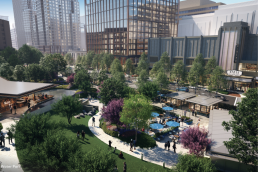
Today, we are taking steps to reverse this trend by purposefully building “smart cities” that feature green spaces. When we plant more trees, we increase our urban canopy, break up concrete jungles and reduce the heat island effect. We sequester carbon and clean our air. It’s a biodiverse amenity for all to enjoy, and it’s on display in our nation’s backyard at National Landing for all to enjoy.